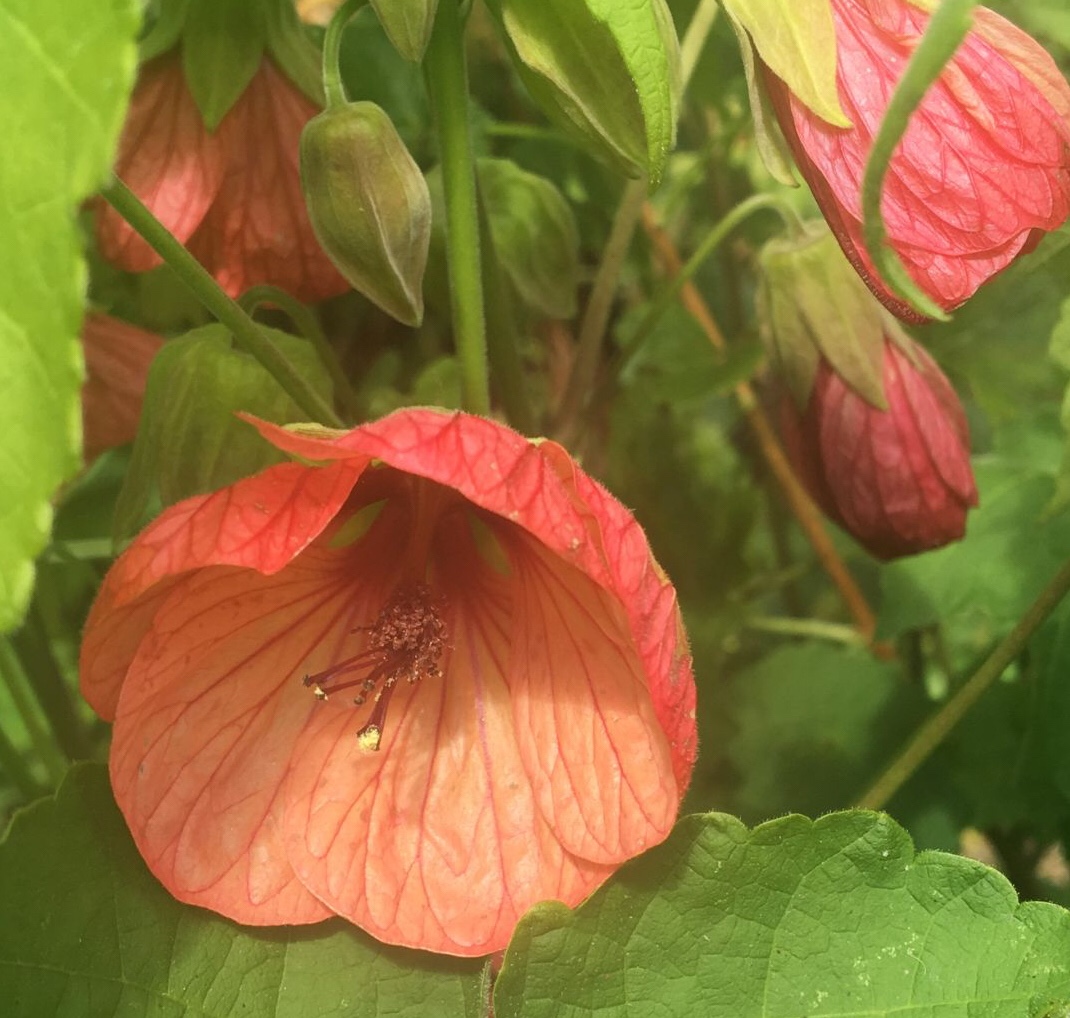
Abutilon 100 seeds
Abutilon or Indian mallow originates in the tropics and sub-tropics and is generally treated as an annual in the UK. It is however quite hardy and should rather be treated as a tender perennial. It requires heat for germination but is otherwise easily cultivated from seed, and in a sunny site the cup-shaped flowers appear from June to September. Plants reach a height of about 60cm but the stems tolerate trimming in autumn or early spring.
£2.64
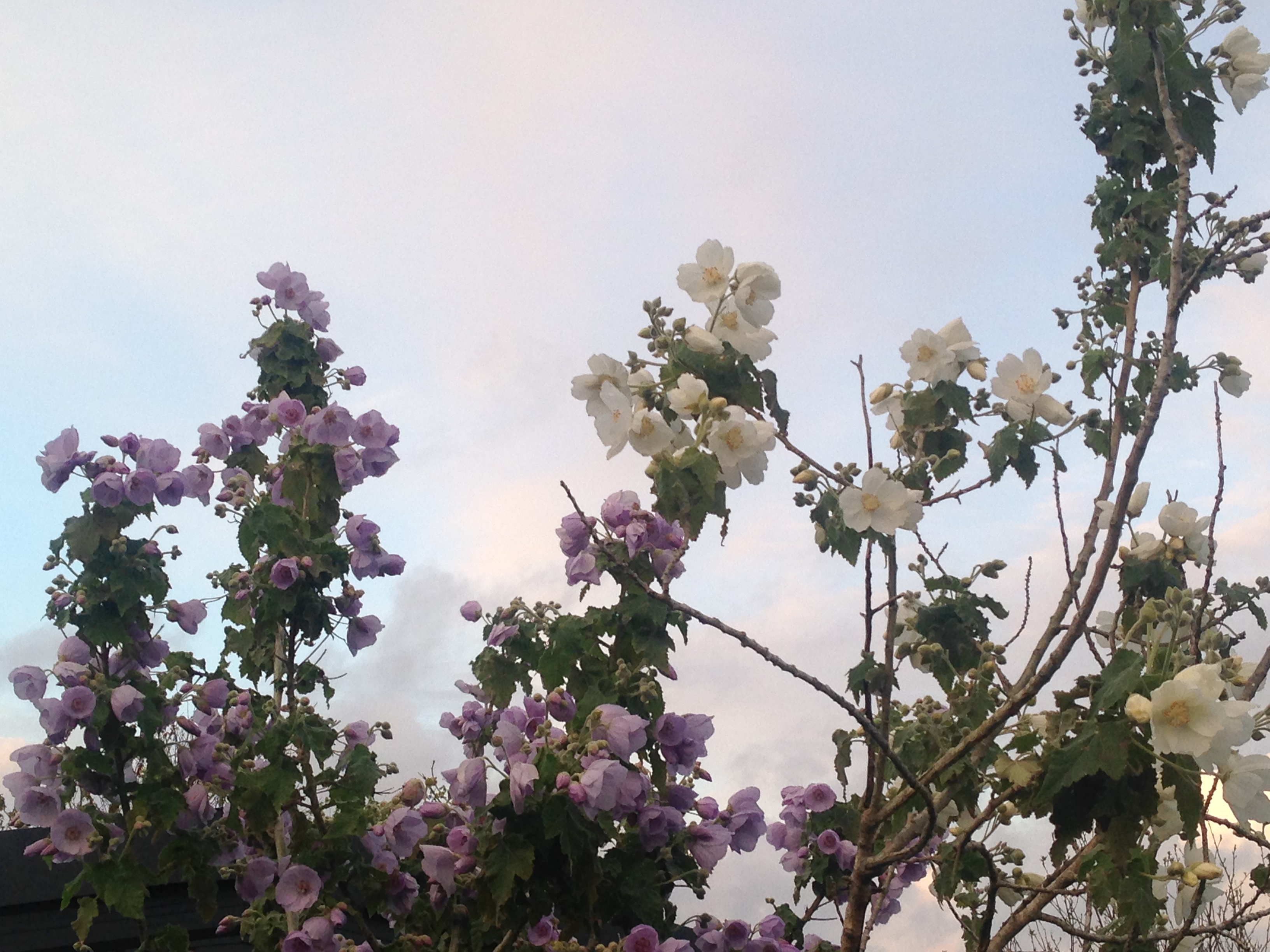
Abutilon vitifolium
Also known as Flowering Maple, this member of the Malvaceae family originates from Chile. It is a tall branching shrub which prefers a sheltered site and in the right conditions will self-seed freely. Flower colours range from white to mauve. Flowering maple
£2.64
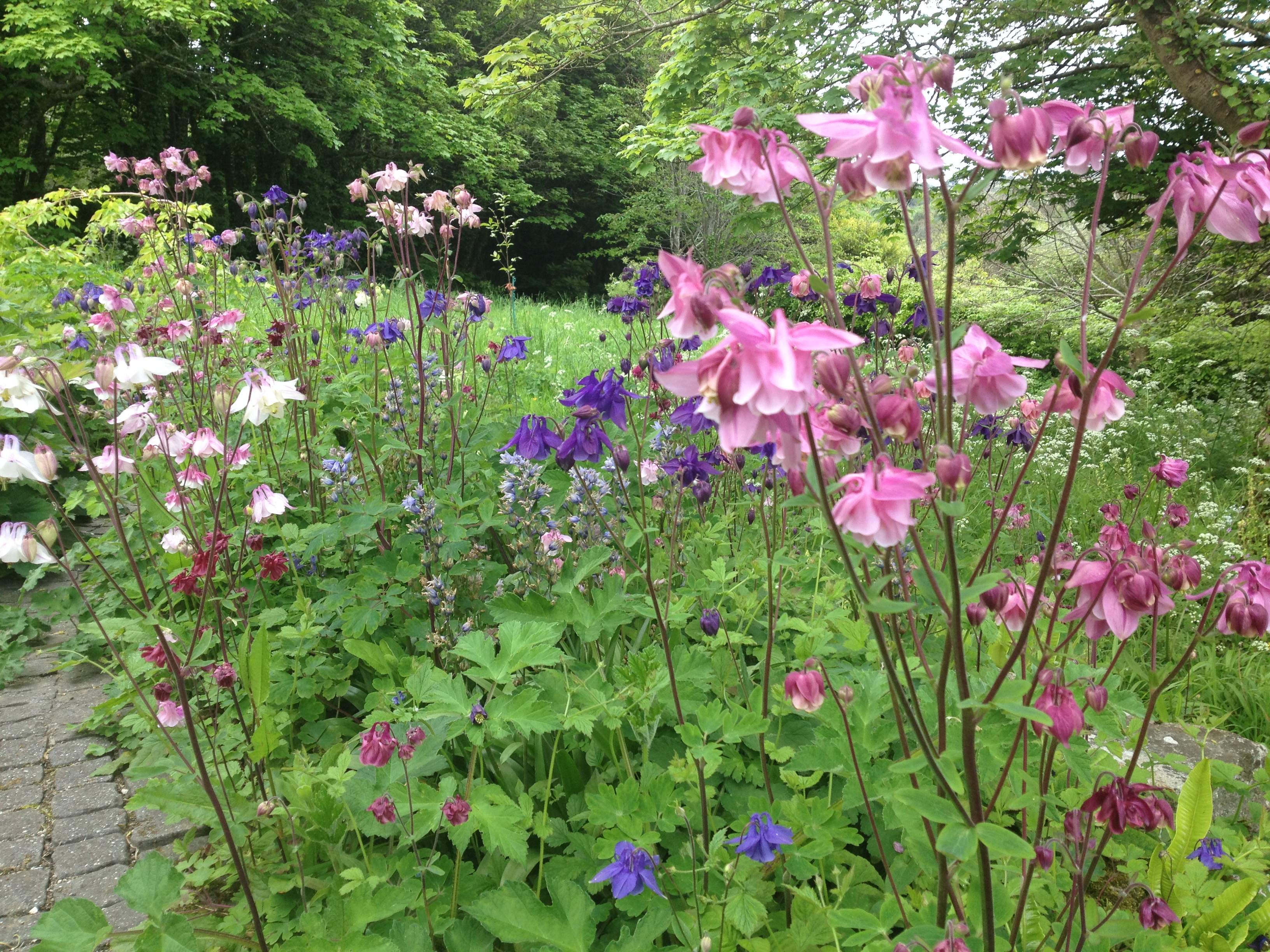
Aquilegia 100 seeds
Aquilegia vulgaris (also known as columbine or Granny’s Bonnet) is a hardy perennial of the Ranunculaceae family common throughout Northern Europe. The name derives from the Latin ‘aquila’ meaning eagle as the spurred flowers resemble an eagle’s talons. An old-fashioned cottage garden favourite, the blue/pink/white flowers appear from a basal rosette of ferny leaves in May and June with a height between 30-70cm. This is a short-lived perennial which self seeds abundantly, favouring a partially shaded position to retain the moisture it requires. It is pollinated by bees, in particular the bumble bee.
£2.64
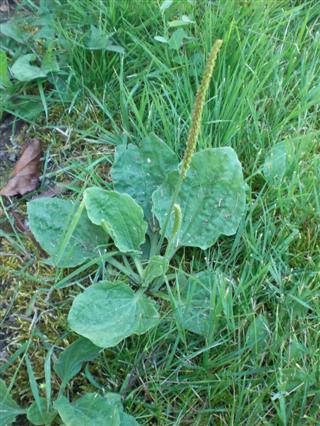
Broadleaf plantain 100 seeds
Broadleaf plantain Plantago major – Native to Europe and central/Northern Asia but widespread in temperate regions. This low, rosette-forming plant is extremely hardy, tolerates saline conditions, grows in light or shade although prefers a sunny postion. The young leaves can be eaten raw or cooked as greens. It is also food to grazing animals and insects, and birds feed on the seed. Medicinally it has anti-histamine and anti-inflammatory properties, as well as being used to treat intestinal disorders, fevers and haemorrhoids
£2.64
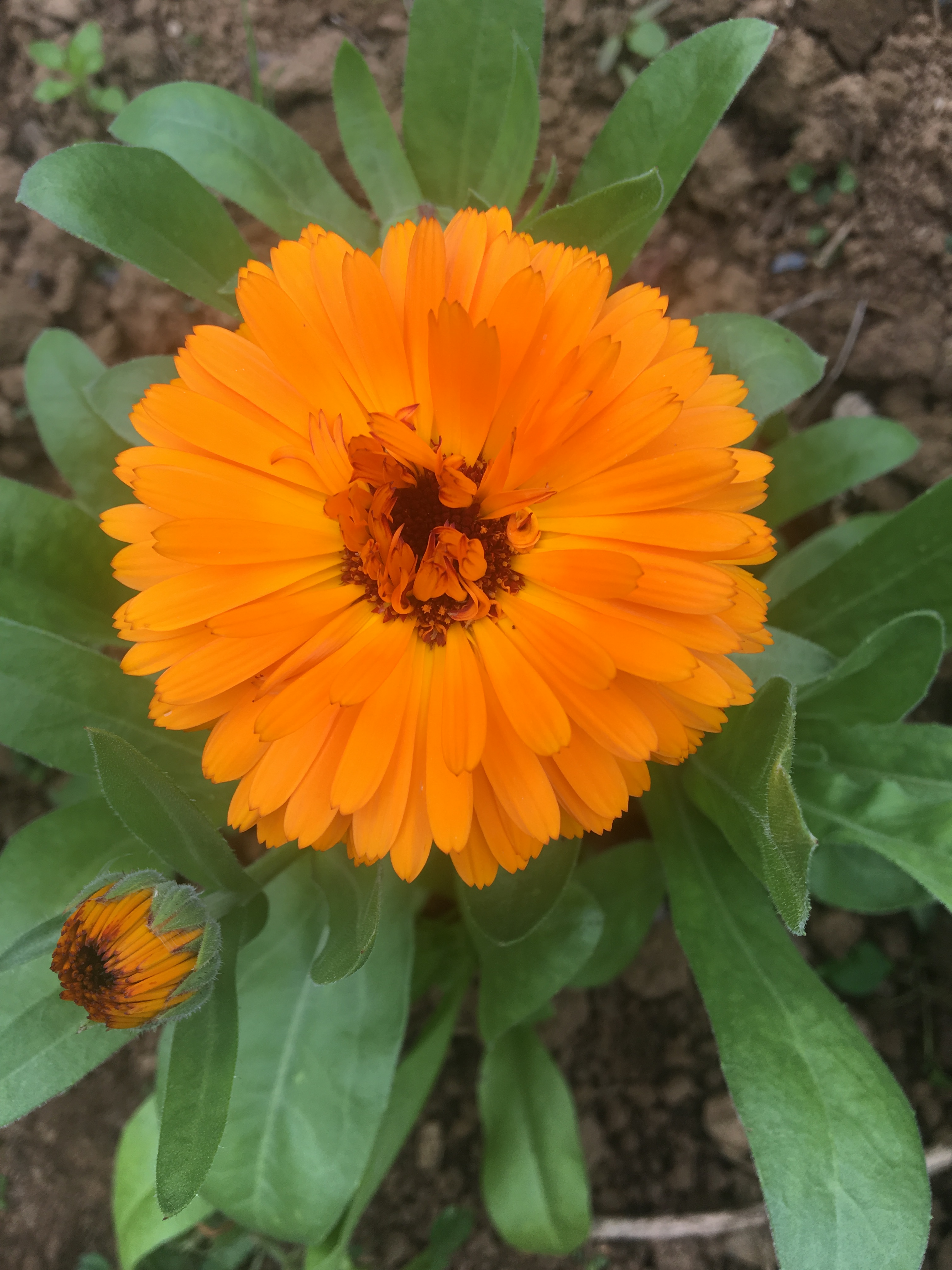
Calendula 100 seeds
Calendula officianalis, also known as ‘pot marigold’ was once an essential kitchen garden herb, and it’s medicinal as well as ornamental and culinary use dates back for centuries. It has been cultivated so long in the UK that its’ origin is unclear. Although now seen mainly as a bold flowering annual, calendula is still used widely for these as well as cosmetic purposes. It is a well-known anti-inflammatory used in creams and ointments to soothe the skin; it is anti-viral as well as being an anti-oxidant, and its’ uses today extend to shampoos and toothpastes. As well as topical applications calendula can be taken orally to soothe internal inflammation as well as to boost the body’s defences. It makes a pleasant tea and the petals have a saffron like flavour that can be added to salads or stews. Seeds can be sown in the autumn or spring for flowering throughout the following summer. As with most marigolds, calendula can be used for companion planting as it will attract aphids away from more important plants and vegetables. One of the most useful and easiest plants to grow, calendulas will provide a splash of colour with the least amount of care.
£2.64
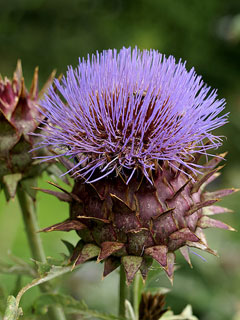
Cardoon Cynara cardunculus is a native perennial of southern Europe and North Africa but which is readily adaptable to our temperate climate thriving in all but waterlogged soils.
First utilised by the Victorians as a vegetable, the fleshy leaf bases are tied up and blanched and can either be eaten raw or cooked, in the same way as
celery. This is a large thistle-like plant of the Compositae family which resembles the globe artichoke, growing up to 2m tall with leaves reaching up to 1m. It is more commonly grown as an eye-catching border perennial and the large mauve/blue flower heads are good for cutting and drying, the dried flowers also having been used as a rennet substitute in France.
OUT OF STOCK
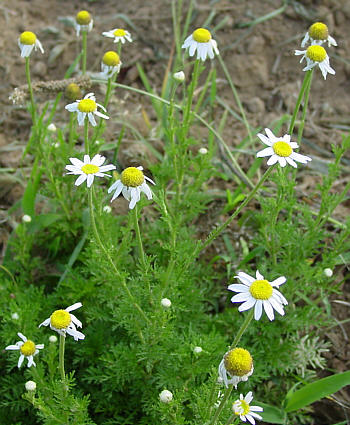
Corn chamomile 200 seeds
Corn Chamomile Anthemis arvensis is an annual plant found commonly on open lime-rich soils in South/Eastern England. A member of the Asteraceae family, the daisy-like flowers appear in mid-summer. Chamomile in general has a multitude of medicinal uses but it is necessary to be species-specific when considering how this plant can be used. The leaves and flowers of Corn chamomile are reputed to be the best herbal febrifuge.
£2.64
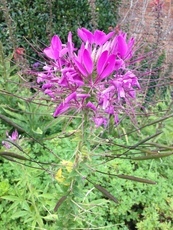
Cleome
Cleome hassieriana originates from South America but is tolerant of our temperate climate if grown in full sun and protected from harsh weather conditions. This half-hardy annual is best sown between Feb-March in gentle heat and planted out in May. Cleome grows to 1.5m and makes an interesting focal point as well as having a scent to attract insect pollinators.
£2.64

Dahlia 50 seeds
Dahlia’s originate in Asia and South America but were brought here in the 1700’s as a vegetable which is still eaten in those countries as the yam yet here it is known predominately for its’ variety of flowering forms. This seed produces a single-flowered variety which are well-suited to growing as a border flower or alternatively they will produce edible tubers which can be consumed in the same way as a potato. Suited to well-drained soil and requiring watering in dry spells, feeding to encourage healthy plants, staking and protection from slugs.
£2.64
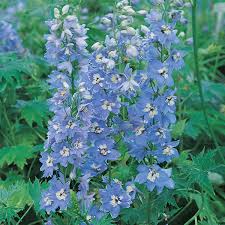
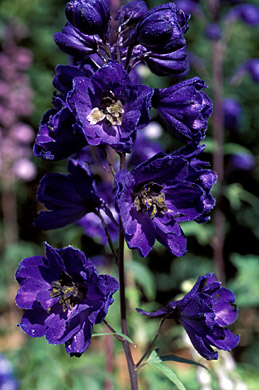
Delphinium 100 seeds
Delphinium has to be described as a true cottage garden favourite with it’s tall racemes of pastel-shaded flowers gracing many a herbaceous border in the summer months. Although native to the Northern hemisphere it does require some care in cultivation – fertile, well-drained soil, watering in dry weather, protection from slug damage and possibly staking in exposed areas. However once plants are established they become more robust and mature clumps can be divided in spring. Due to it’s toxicity it is grown for it’s beauty rather than any direct practical use but it is also attractive to butterflies and bumble bees and is a food plant to the larvae of some Lepidoptera species.
£2.64
Seed provided is a mixture of pictured varieties.
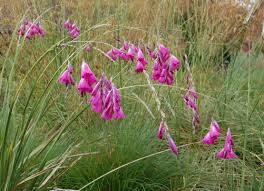
Dierama 30 seedS
Dierama pulcherrima is a beautiful but unusual African plant which can be treated as a hardy perennial in temperate regions. Seeds germinate easily but patience is required for the plant to reach maturity. The name dierama originates from the Greek word for funnel and the tubular flowers hang gracefully from grass-like stems, like ‘Angel’s Fishing Rods’ as it is more commonly known. Height can be 1.5m and given the right conditions of well-drained soil and full sun the spread can be similar as the corms that are formed spread sideways as well as downwards.
£2.64
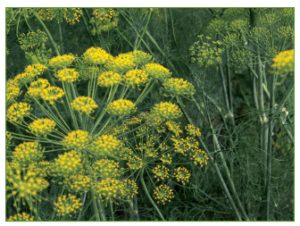
Dill 200 seeds
Dill Antheum graveolens is a tall annual plant native to Western Asia and the Mediterranean with attractive grey-green feathery foliage and umbelliferous yellow flower heads. The fragrant leaves and seeds are widely used as a herb or spice to flavour foods and have many nutritive benefits arising from the organic compounds, vitamins and minerals they contain. In addition they have a wide range of medicinal benefits, the most common of which is the ability of the essential oils to ease digestion as well as constipation. Plants will not grow in shade and require shelter but otherwise grow and self-seed freely in moderate soils with good drainage, with bees acting as the main pollinator.
£2.64
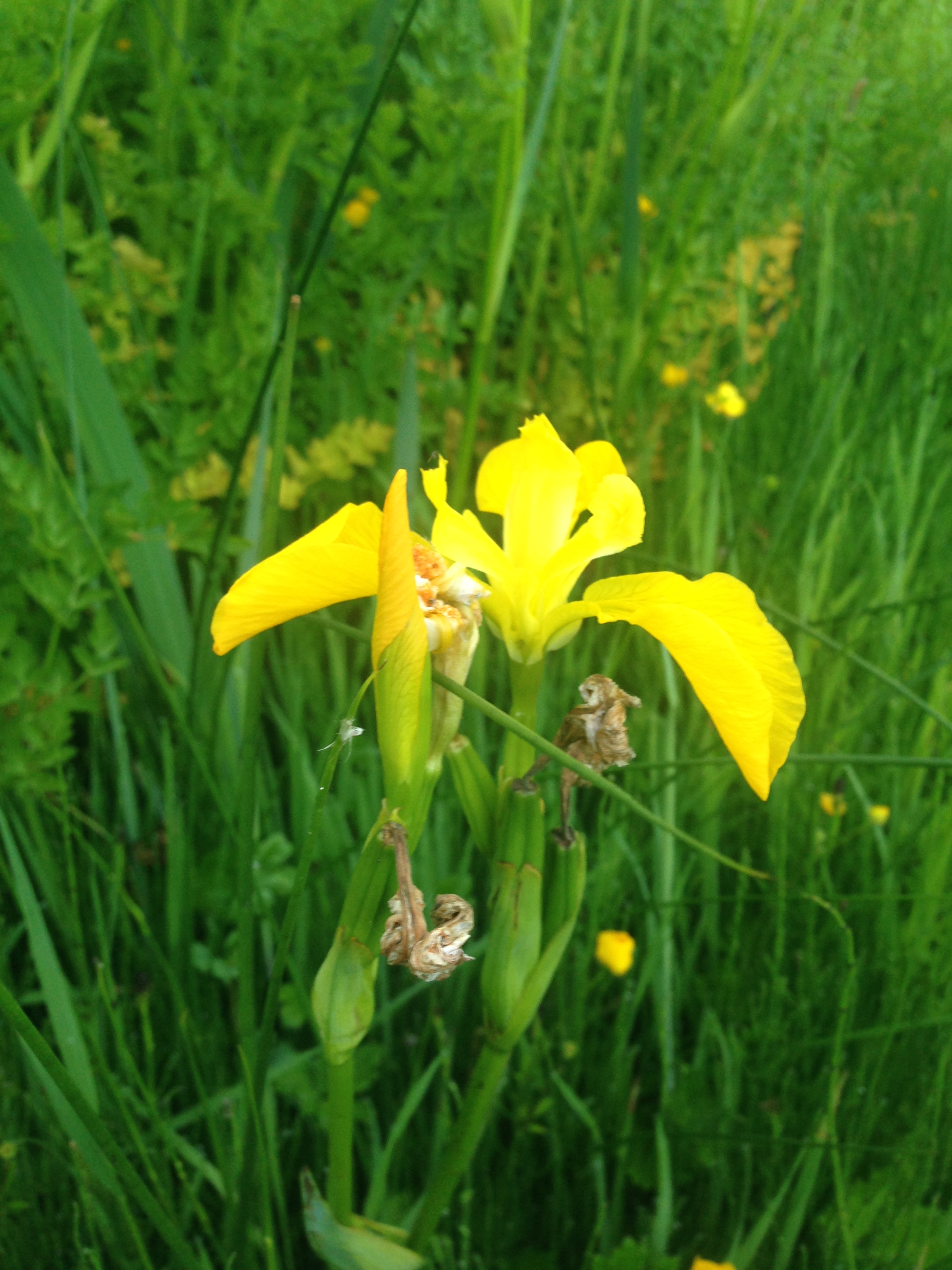
Flag iris 50 seeds
The yellow iris, or flag iris (Iris pseudacorus) is a rhizomatous perennial native to Europe, Western Asia and North Africa where it grows best in wetlands. It is a beardless water iris with a height and spread of 90cm which has become naturalised in the British Isles. The bright yellow flowers appear between May and July and are pollinated by bees.
£2.64
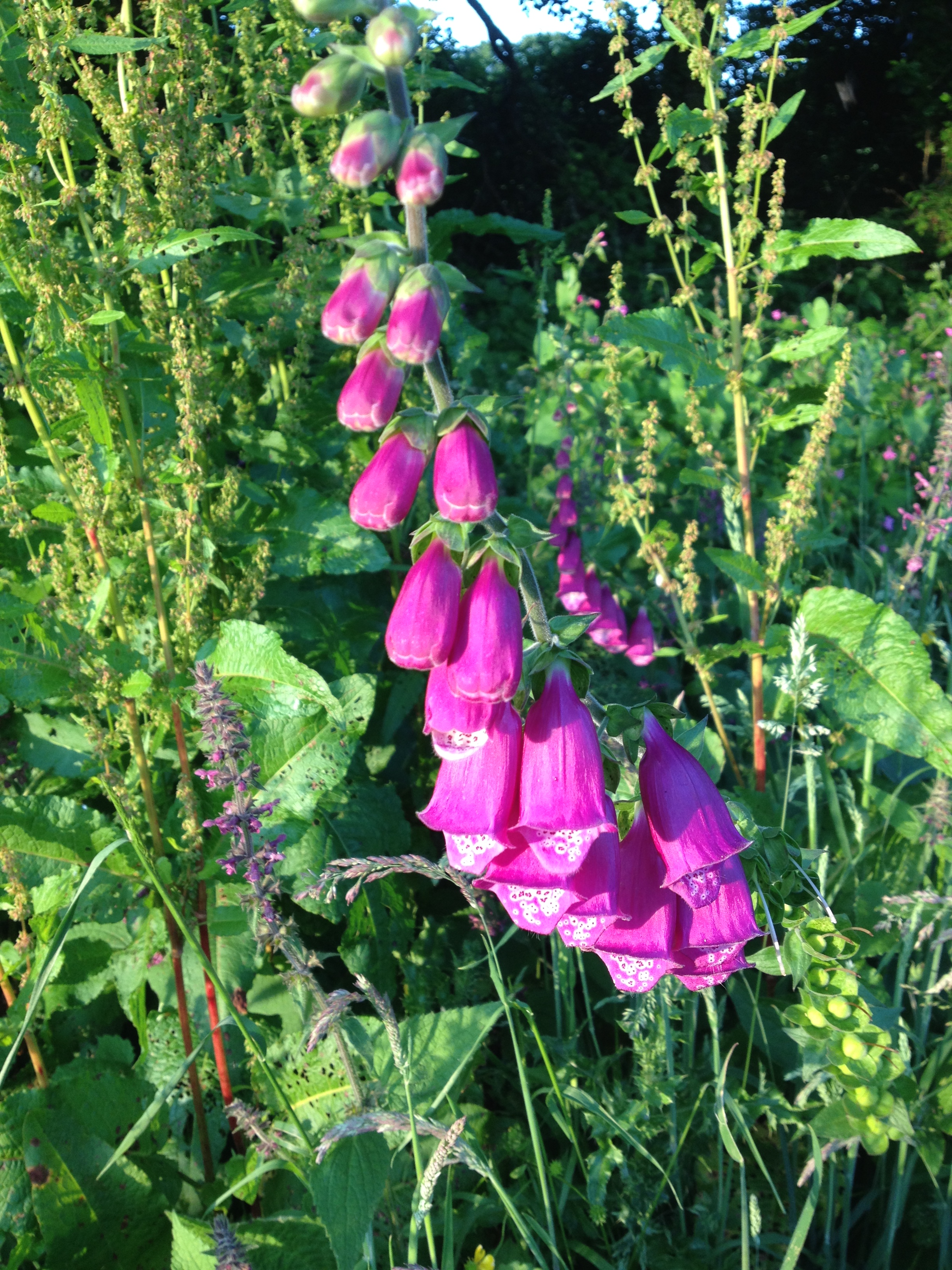
Foxglove 500 seeds
Foxglove Digitalis purpurea is commonly seen throughout Europe, preferring woodlands and well-drained soils. The tiny seed germinates easily to produce a biennial plant which in turn will self-seed freely especially where soil has been disturbed. An important plant as it’s chief pollinator is the bumble bee which is drawn to it’s tubular maroon flowers in early to mid-summer. Although poisonous if eaten digitalis contains an extract commonly used in modern medicine for the treatment of heart conditions and it has for centuries been in use for a variety of ailments by practising herbalists.
£2.64
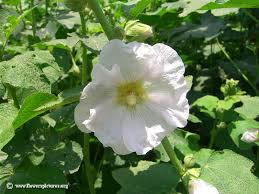
Hollyhock 30 seeds
Hollyhock (white) – A traditional cottage garden favourite native to Europe and Asia, the tall flower spikes of Althaea make a striking display in the summer months. Although a perennial plant it’s susceptibility to rust disease means that treating it as a biennial is a better option. Seeds can be planted in May under cover and planted out in September ready for flowering the next summer. Prefers full sun but will grow in any reasonable garden soil. Height 1.5-2.7m so staking is generally required.
£2.64
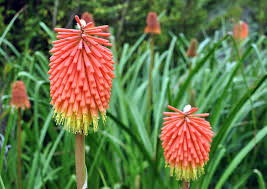
Kniphofia 30 seeds
Red hot poker Kniphofia caulescens is native to South Eastern Africa where it attracts nectar-feeding birds as well as insects. In the UK it has long been a favourite in the herbaceous border it’s distinctive flower spikes tipped with coral red and fading to yellow at the base. As such it is a hardy perennial which does best in full sun and well-drained soil. Height 75cm-1.5m and when mature the grassy clumps can be divided up in the autumn to increase stock. OUT OF STOCK
£2.64
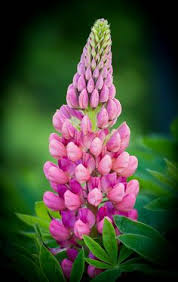
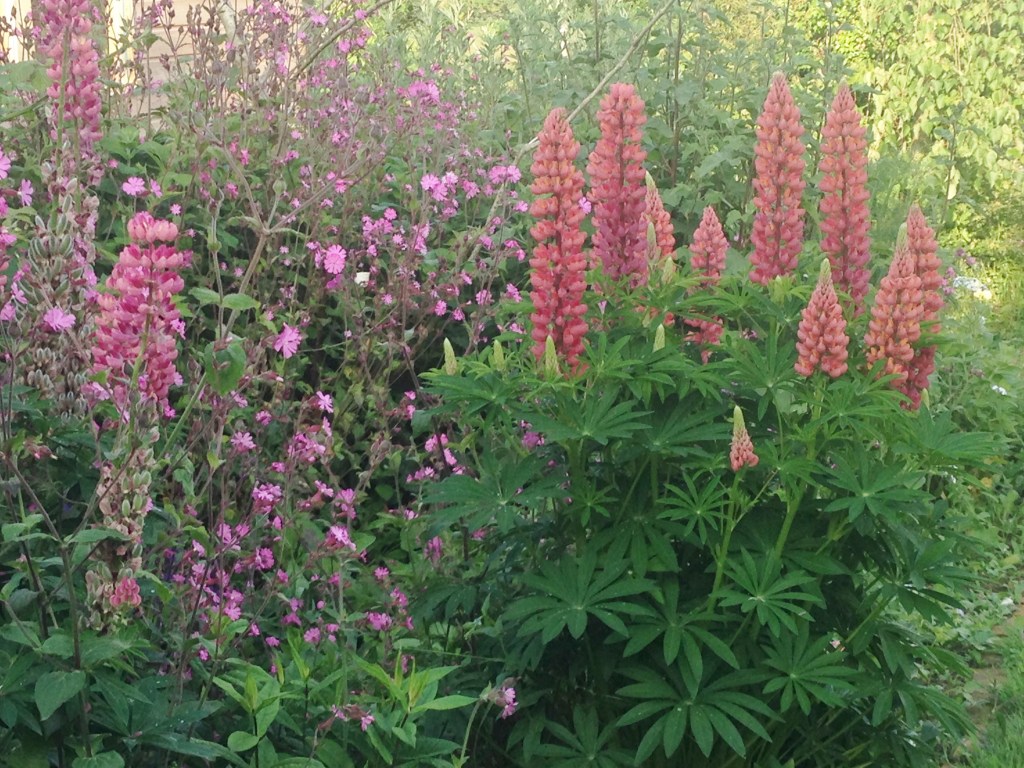
Lupin 100 seeds
Lupinus is a herbaceous perennial plant whose name originates in North America and means ‘lupine’ or ‘wolfish’ due to the fact that it was believed to ravage the soil. Quite the opposite is in fact true as it has the nitrogen-fixing ability common to the legume family Fabiaceae to which it belongs. As such it is used agriculturally as a green manure but it is most well-known as a traditional cottage garden plant introduced to the UK in the 19th century and hybridised to create the popular variety of colours now available. Prior to 2000BC the white lupin Lupinus albus was used by the Ancient Greeks and Egyptians as grain and around 800-1000BC the Romans had begun using it as a fertiliser. Seeds can be toxic so consumption is not recommended unless under expert supervision (repeated seed washing necessary to remove toxins), the same goes for medicinal use although the North American indians used it for nausea and internal haemorrhages among other things. OUT OF STOCK
£2.64
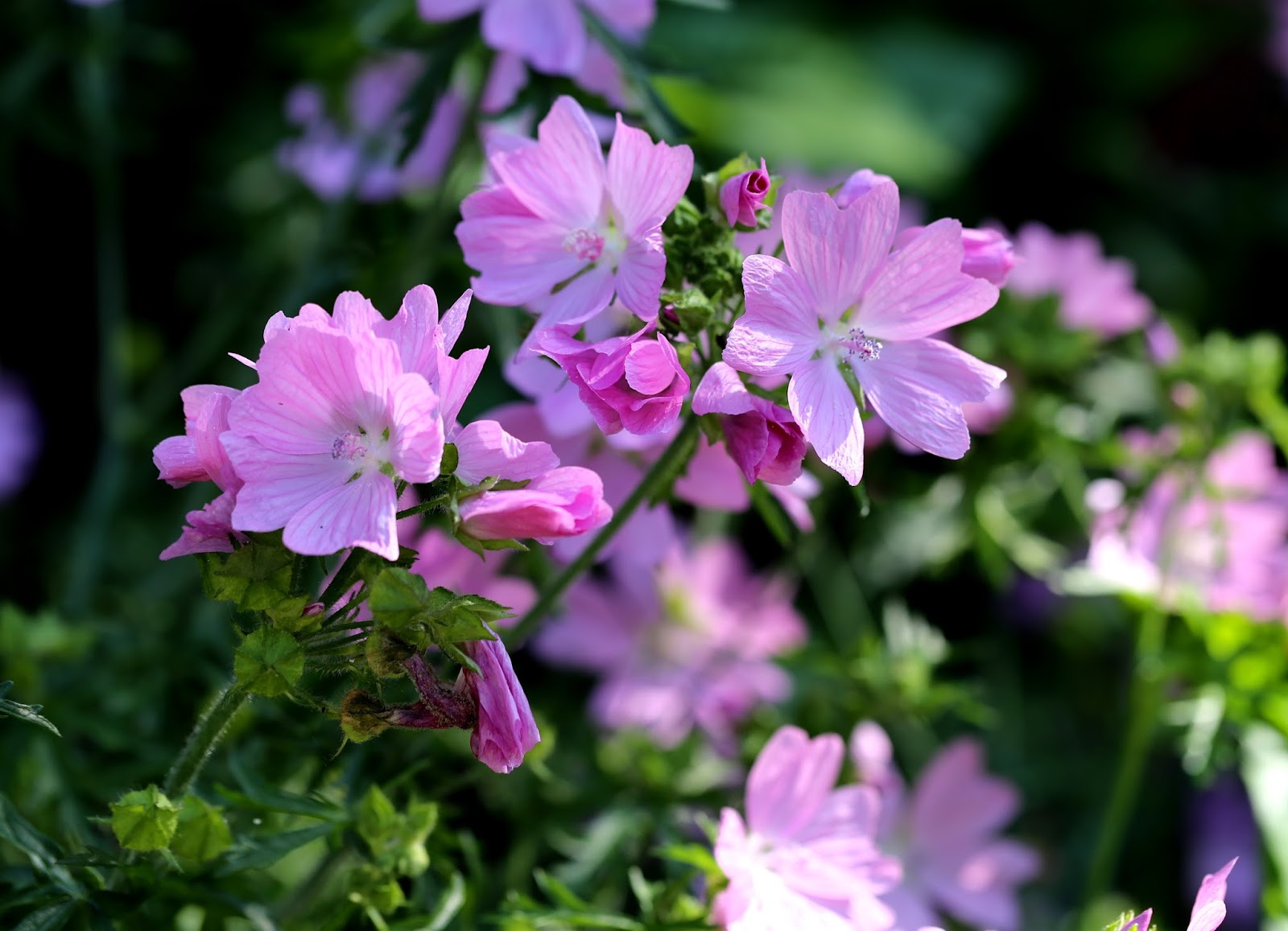
Musk mallow (pink) seed
Musk mallow Malva moschata is an easily-grown perennial with pretty pink or white cup-shaped 5cm wide flowers produced all summer long. Staking may be required as the plant can reach a height of 60cm or more. It is a hardy native plant which is able to over-winter if cut back in autumn but which has such a successful self-seeding habit new plants will readily be available. The flowers are attractive to bees, and the flowers, leaves and seeds are edible, most commonly forming part of a ‘wild salad’.
£2.64
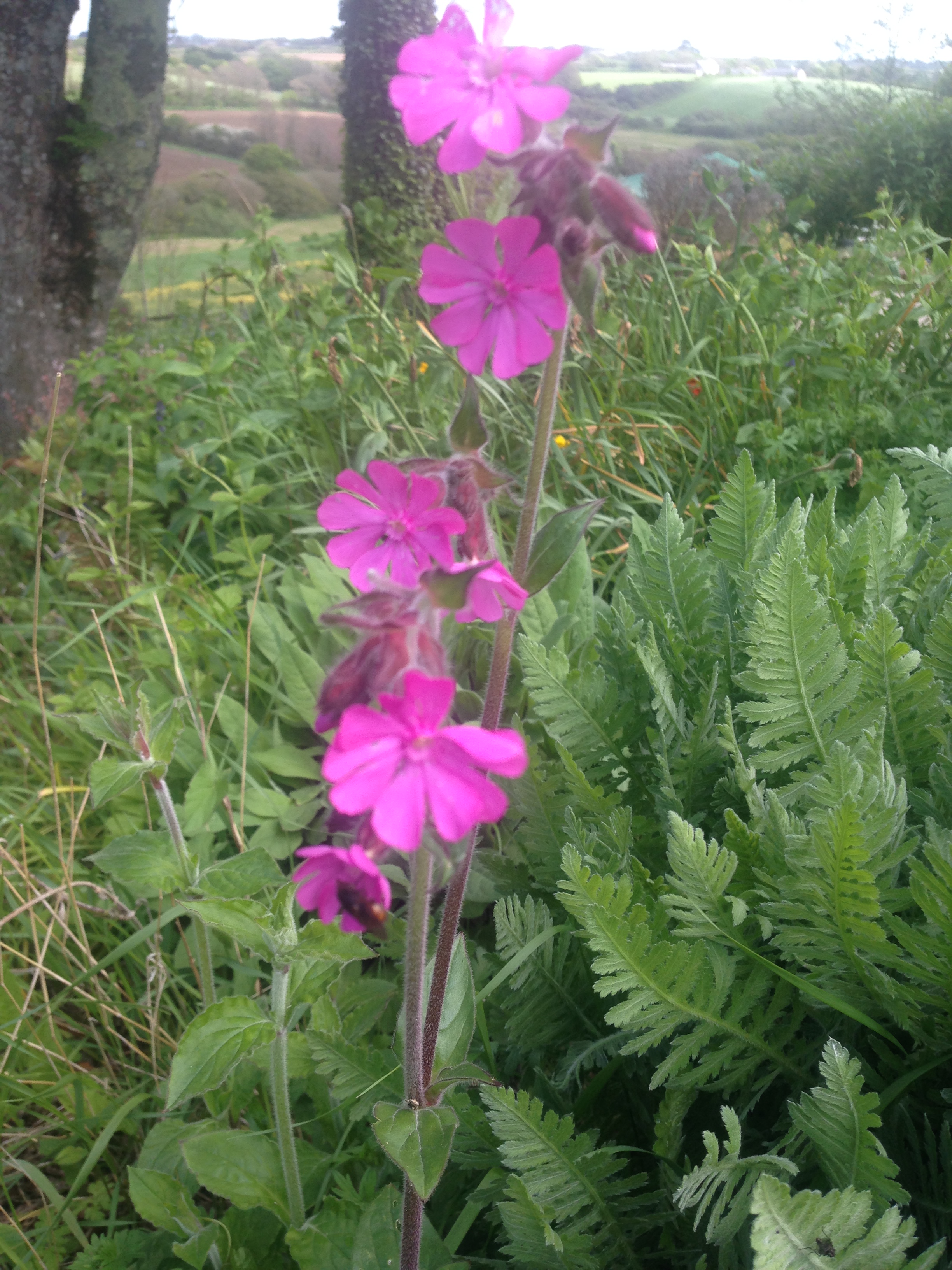
Red campion – Approx 500 seeds
Red campion Silene dioica is a short-lived perennial common to most of Britain but to the South West in particular. It is most suited to woodland edges and hedgerows, preferring not to be in full sun. Although the typical flowering period is late spring and early summer, flowers can be seen almost year round in mild areas. It is easy to germinate even at low temperatures and self-seeds freely. An important plant to bees and butterflies but also to many other insects. Height up to 80cm.
£2.64
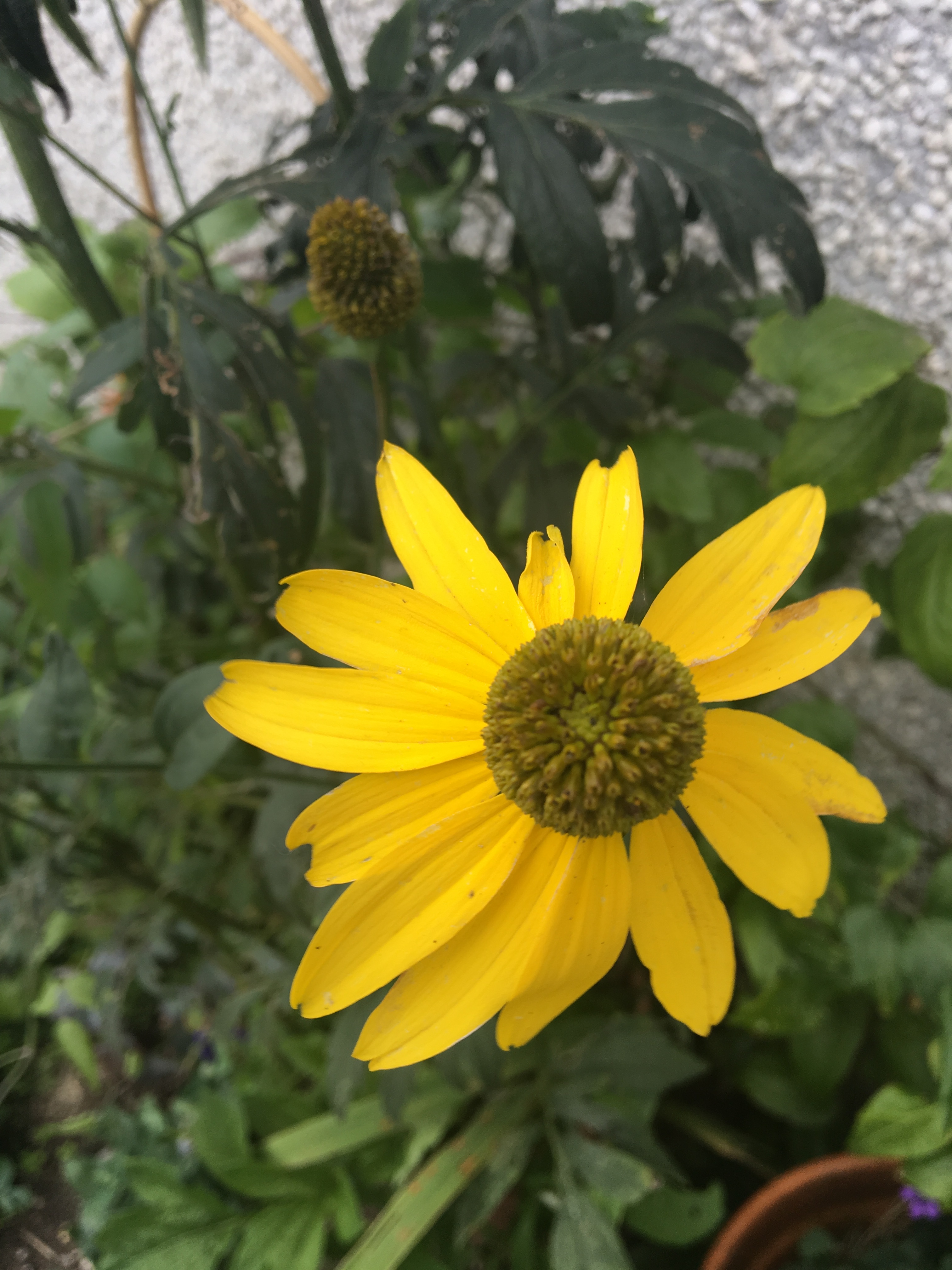
Rudbeckia (Yellow Coneflower) 100 seeds
Native to North America and belonging to the Asteraceae family, these daisy like perennial flowers provide a long lasting, late season show of colour. Cabbage moths and dot moths feed on the leaves.
£2.64
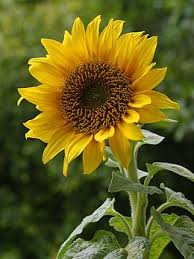
Sunflower 50 seeds (mixed)
Sunflower Helianthus annuus is generally grown in the UK as an annual for the appeal of it’s large flower heads and potential height (which makes it a common choice for children), and usefulness as a cut flower. Most of the approx 70 species are native to North America where it was first domesticated by the American Indians around 3000BC. It was brought to the UK several centuries later and although chiefly grown as an ornamental it began to be recognised as a medicinal as well as a food plant. Commercial production of sunflower oil began in Russia but large scale production now takes place back in its’ native American states and the nutritional use and benefits of the oil and seed are widely known. Seeds offered for sale are a mixture of different sunflower types ranging from small to large in height and size of flower heads.
£2.64
Vetch – Approx 100 seeds
Tufted Vetch Viccia cracca is an herbaceous perennial common in rough hedges and grassland throughout Europe. Its’ scrambling stems reach up to 2m and these are laden with bluish-purple flowers from early to late summer followed by flat brown seed pods characteristic of the pea family to which it belongs. As such it has the nitrogen-fixing capability of the legumes in general and can be used as green manure. The leaves, young stems and seeds are edible, and the leaves can be used to make a tea substitute. Medicinally the cooked plant can be used as a galactagogue (promotes lactation). Seeds are best soaked before planting. Flowers are pollinated by flies and bees. OUT OF STOCK
£2.64
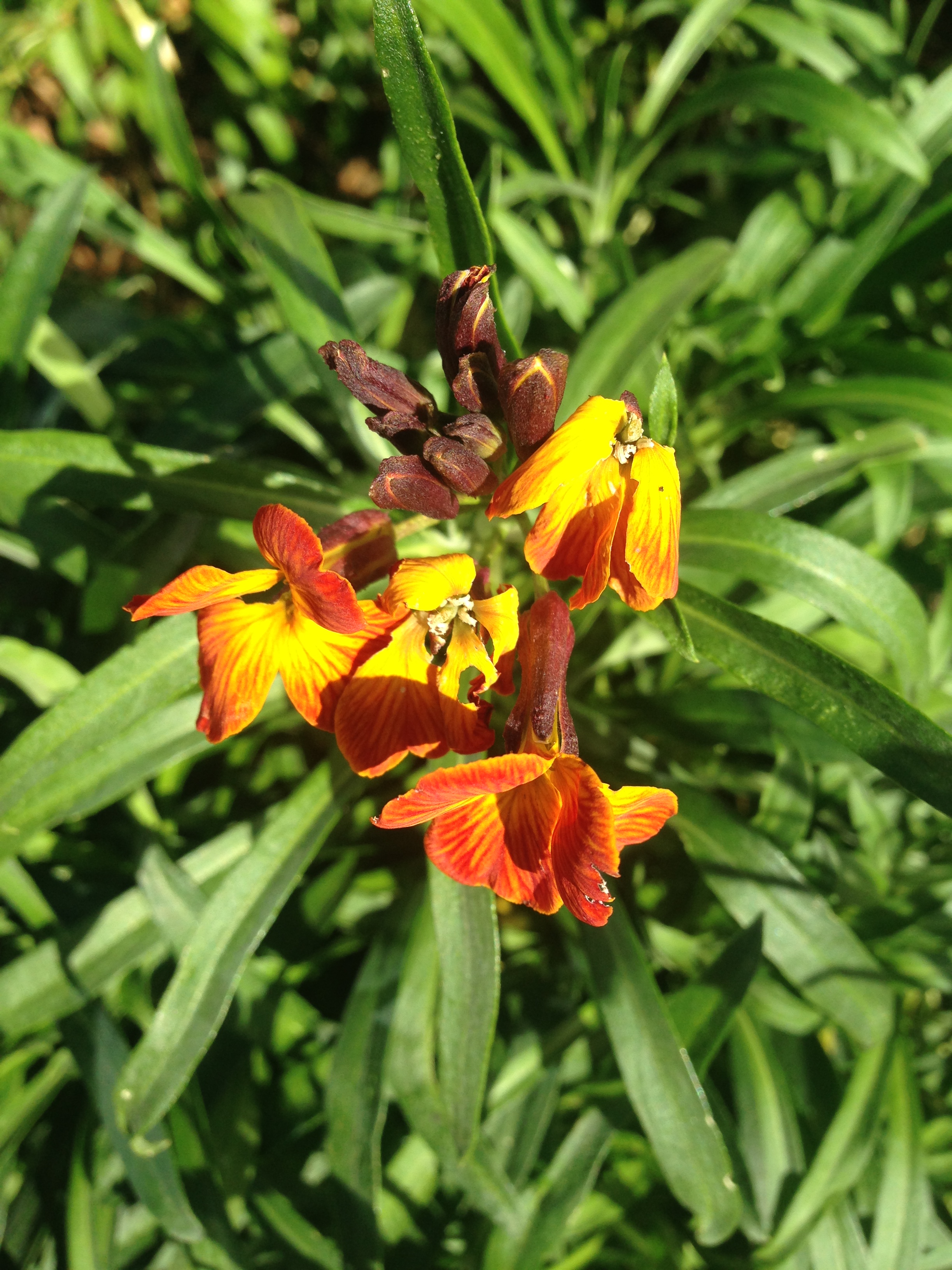
Wallflower 200 seeds
Wallflower (Cheiranthus) is a biennial plant of the Brassicaceae family native to Europe which bears flowers in a range of red and yellow hues between March and April. Seed is best sown in summer ready to plant out and flower the following year. Prefers a sunny site that does not dry out.
£2.64
UK sales only
 Chrissy's Cottage Garden